What Are Natural Food Supplements
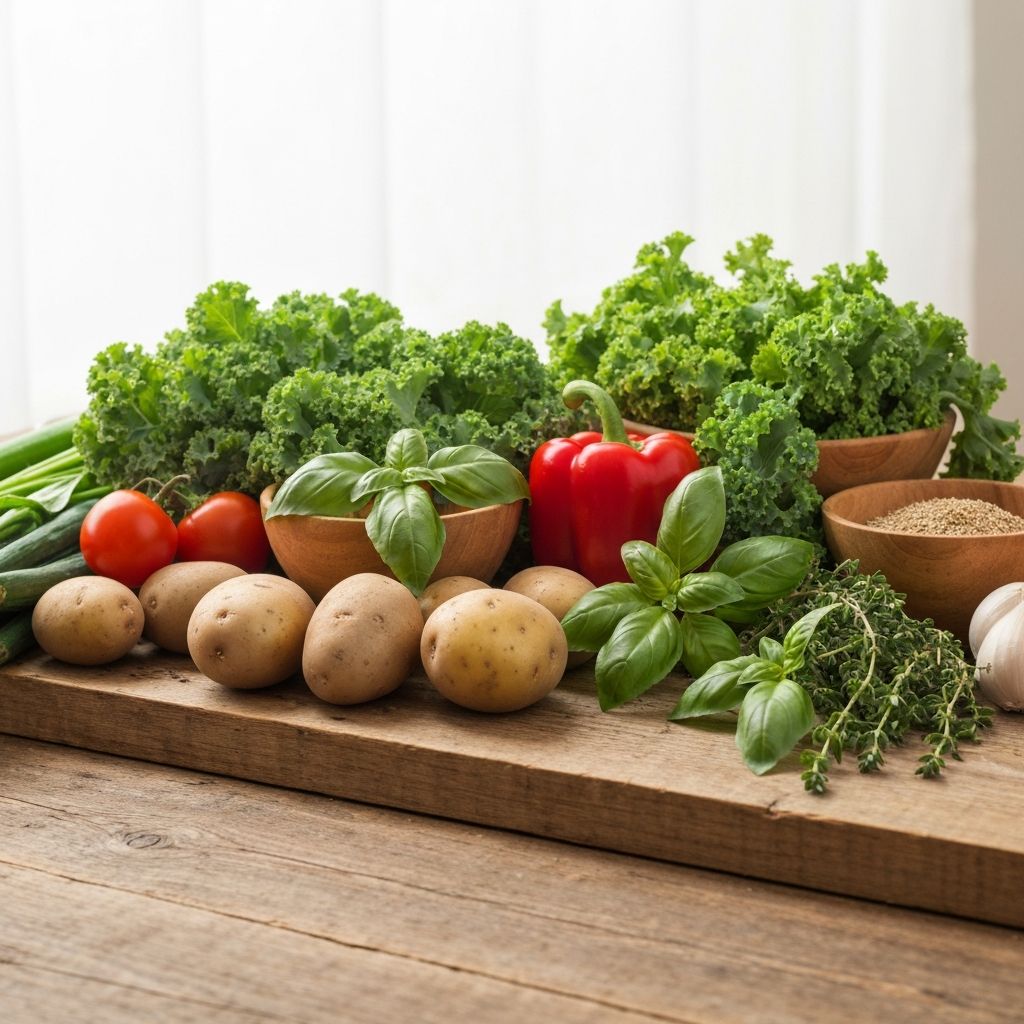
Natural food supplements are concentrated sources of nutrients derived from plants, minerals, and other natural origins. They complement your daily diet by providing vitamins, minerals, botanical extracts, and other food-derived compounds. These products are designed to support balanced nutrition as part of a conscious approach to everyday eating habits.
Unlike synthetic alternatives, natural supplements focus on ingredients sourced from recognizable food origins such as fruits, vegetables, herbs, seeds, and mineral deposits. Understanding what goes into your supplement helps you make informed choices about what you consume daily.
Origin of Plant-Based Ingredients
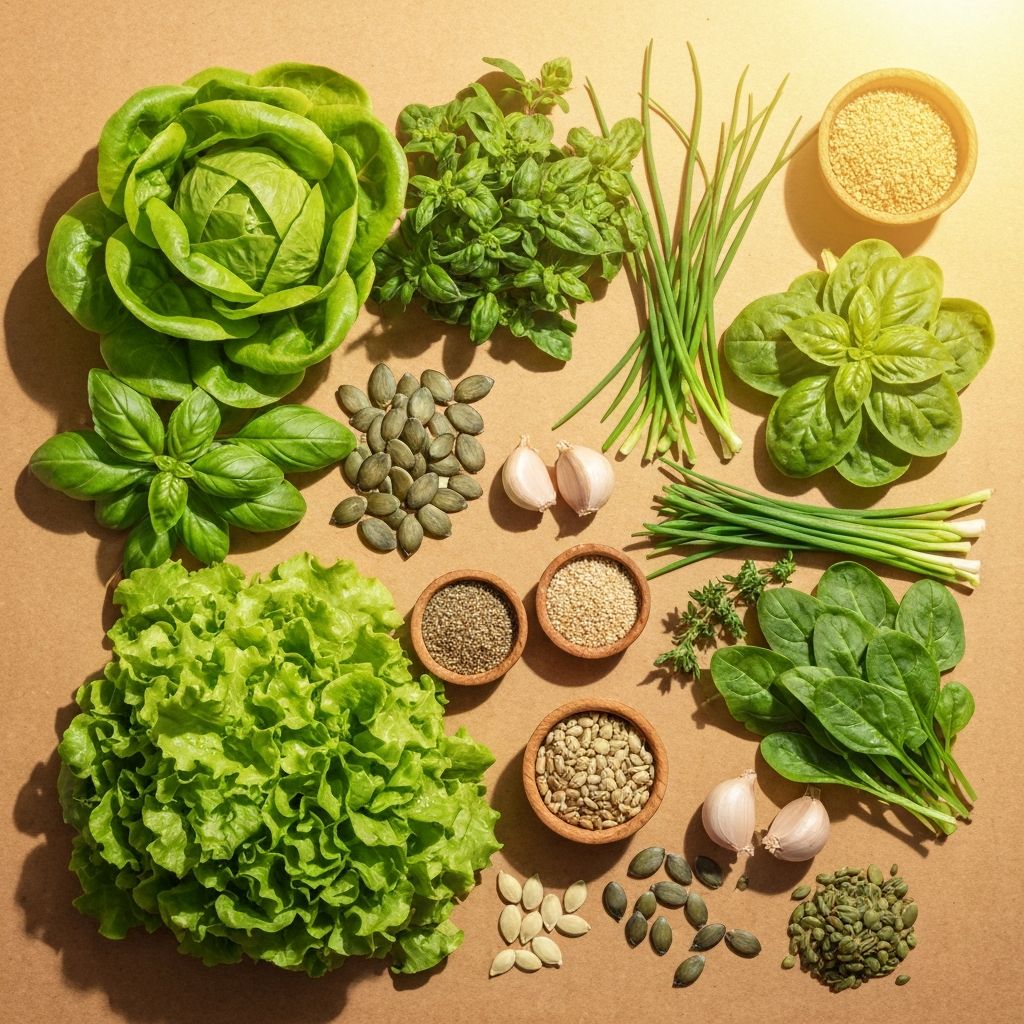
Plant-based ingredients in food supplements come from various botanical sources cultivated around the world. These include leafy greens, roots, berries, seeds, and herbs that have been part of human nutrition for centuries.
The extraction and processing methods preserve the natural compounds found in these plants, maintaining their nutritional profile. Understanding the origin of ingredients helps you appreciate the journey from farm to supplement bottle.
The Role of Supplements in Daily Diet
Food supplements serve as a complementary element to your regular meals, not a replacement. They can help fill nutritional gaps that may occur due to dietary preferences, busy schedules, or limited access to certain fresh foods throughout the year.
The key is understanding that supplements work best when integrated into an already balanced diet rich in whole foods, vegetables, fruits, proteins, and healthy fats. They should enhance, not substitute, real food consumption.

Balance in Nutrition and Lifestyle
Achieving nutritional balance involves more than just taking supplements. It encompasses mindful eating, adequate hydration, regular physical activity, quality sleep, and stress management. Supplements are one piece of this larger puzzle.
A balanced approach means listening to your body, understanding your individual needs, and making conscious choices about what you consume. This holistic view helps create sustainable habits rather than quick fixes.
Vitamin Components from Natural Sources
Vitamins are essential nutrients that your body needs in small amounts to function properly. Natural food supplements source these vitamins from whole food origins such as citrus fruits for vitamin C, leafy greens for vitamin K, and seeds for vitamin E.
Food-derived vitamins come with co-factors and phytonutrients that work synergistically, supporting absorption and utilization. This is why many people prefer supplements derived from real food sources over isolated synthetic compounds.

Minerals in Nutrition Without Exaggeration
Minerals like calcium, magnesium, zinc, and iron are crucial for various bodily functions including bone structure, muscle function, and enzyme activity. Natural supplements provide these minerals in forms that are often easier for the body to recognize and utilize.
It is important to approach mineral supplementation with realistic expectations. While they support various functions, they work best as part of a varied diet that includes mineral-rich foods like nuts, seeds, whole grains, and green vegetables.

Plant Extracts in Daily Habits
Botanical extracts have been used in traditional nutrition practices across cultures for generations. Modern supplements incorporate extracts from plants like green tea, turmeric, ginger, and various adaptogens that people integrate into their daily routines.
These extracts are concentrated forms of the active compounds found in plants. When choosing supplements with botanical extracts, understanding the extraction method and concentration helps you know what you are actually consuming.
How to Read Product Composition
Reading supplement labels is an essential skill for making informed choices. Start with the ingredient list, which should clearly state the source of each nutrient. Look for transparency about extraction methods, dosages, and any additional ingredients used in production.
Pay attention to the serving size, the amount per serving, and the percentage of daily value if provided. Be wary of proprietary blends that do not disclose individual ingredient amounts. A trustworthy supplement will clearly list everything it contains without hiding behind vague terminology.
Conscious Approach to Choosing Supplements

A conscious approach to supplements means doing your research, understanding your personal nutritional needs, and being skeptical of exaggerated claims. Look for products that provide educational information rather than promises of instant results.
Consider factors like the reputation of the producer, the quality of ingredients, third-party testing, and transparent sourcing. Quality supplements invest in education and transparency rather than aggressive marketing tactics.

Supplements and Physical Activity
For those leading active lifestyles, certain nutrients become more important due to increased energy expenditure and recovery needs. Natural supplements can help support these needs when whole food intake alone may fall short due to timing or practical limitations.
However, no supplement can replace the fundamentals of proper training, adequate rest, and sufficient calorie and protein intake from real food. They serve a supportive role in an already solid foundation of nutrition and exercise habits.
Supplements as Part of Routine, Not Food Replacement
The most important principle to understand about food supplements is that they supplement, not replace, actual meals. Real food provides fiber, water, complex combinations of nutrients, and eating experiences that supplements cannot replicate.
Think of supplements as a safety net that catches nutritional shortfalls, not as a primary source of nutrition. Building your diet around whole foods and using supplements strategically for specific gaps is the sustainable approach to long-term health.

Nutritionist Guidance on Daily Balance
Nutrition consultants can provide personalized guidance on incorporating supplements into your lifestyle. They assess your current diet, lifestyle factors, and individual needs to suggest appropriate supplementation strategies.
Working with a knowledgeable consultant helps you avoid unnecessary supplementation and focus on what truly benefits your specific situation. They can also help you understand how different nutrients interact and the optimal timing for consumption.
Educational Materials About Ingredients
Ongoing education about nutritional ingredients empowers you to make better decisions. Understanding the difference between various forms of vitamins, the bioavailability of minerals, and the traditional uses of botanical ingredients enriches your knowledge base.
Reputable supplement platforms provide comprehensive educational resources, research references, and transparent information about their products. This educational approach contrasts sharply with marketing-heavy content that focuses on selling rather than informing.
Questions and Answers About Food Supplements
What makes a supplement natural?
A natural supplement derives its active ingredients from plant, mineral, or other natural sources rather than being synthesized in a laboratory. The ingredients should be recognizable as coming from food or earth-based origins.
How do I know if I need supplements?
Assess your current diet, lifestyle, and any gaps in nutrition. Consider consulting with a nutrition professional who can provide personalized guidance based on your individual circumstances and dietary patterns.
Can supplements replace meals?
No. Supplements are designed to complement a balanced diet, not replace whole foods. Real meals provide complex nutrition, fiber, and satiety that supplements cannot replicate.
What should I look for on supplement labels?
Look for clear ingredient lists, transparent sourcing information, appropriate dosages, and avoid products with proprietary blends that hide individual amounts. Third-party testing certifications are also valuable indicators of quality.
Expand Your Understanding
Explore more about natural nutrition, balanced eating habits, and conscious supplement choices
Dive Deeper into the Topic